
Kenya strengthens quantum computing capacity across East Africa
23th September 2026
Article by Marzena Lapka
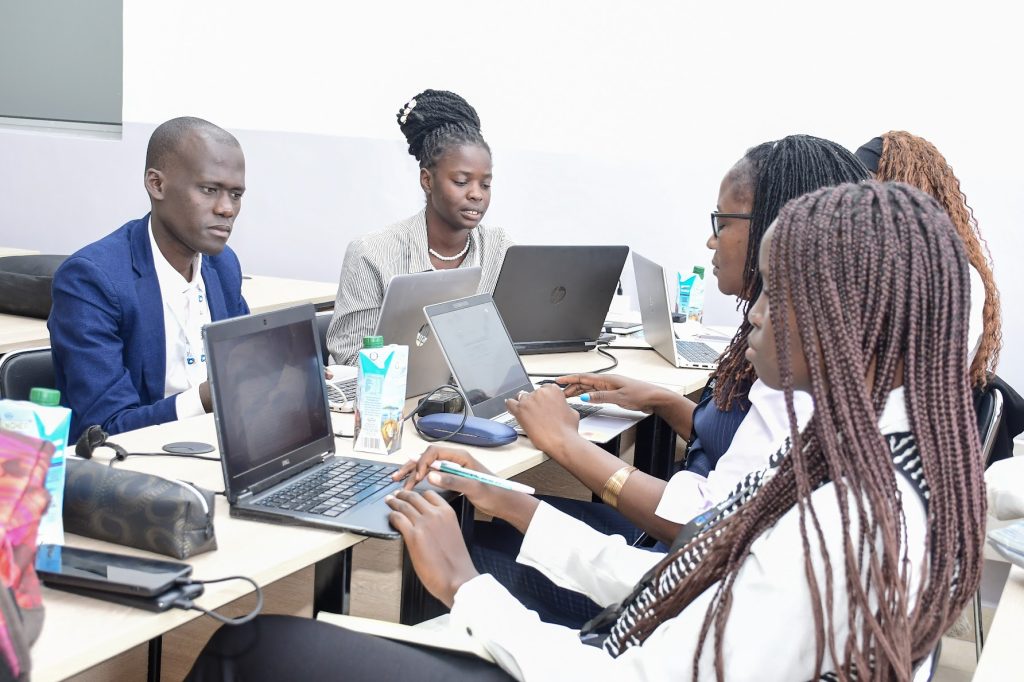
From 1–3 September, Q-SOLVE Kenya 2026 welcomed 43 participants from across East Africa, bringing together students and professionals with diverse backgrounds and expertise at Strathmore University in Nairobi. Organised in collaboration with the Open Quantum Institute (OQI), the three-day initiative combined learning, collaboration and experimentation to develop quantum computing skills and explore solutions to societal challenges.
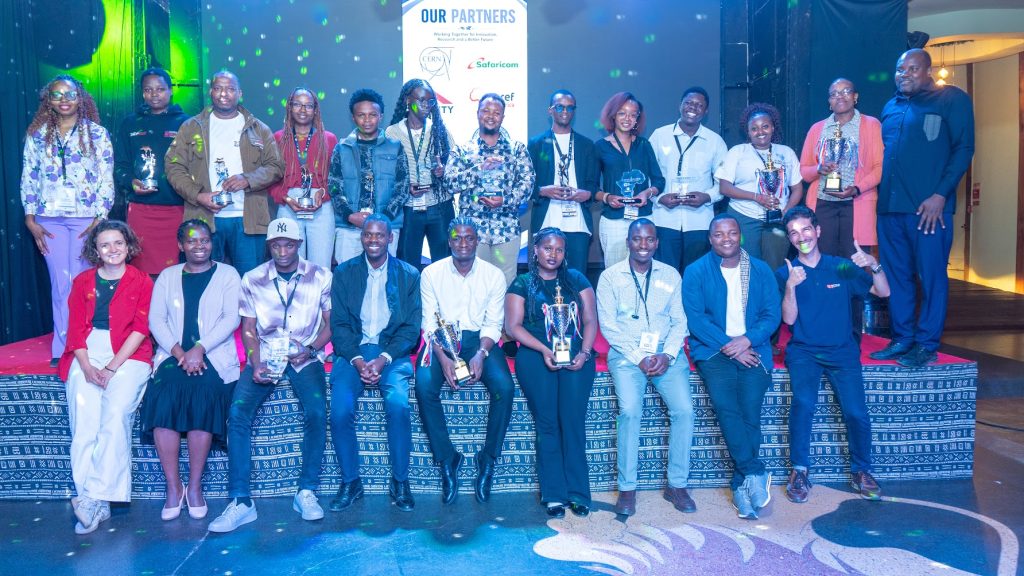
Q-SOLVE Kenya 2026 closing ceremony at Strathmore University (photo: Q-SOLVE)
Quantum computing expertise is growing around the world, but ensuring that its potential benefits are widely shared means creating opportunities for people in different regions to develop the knowledge, skills and networks needed to participate in this emerging field.
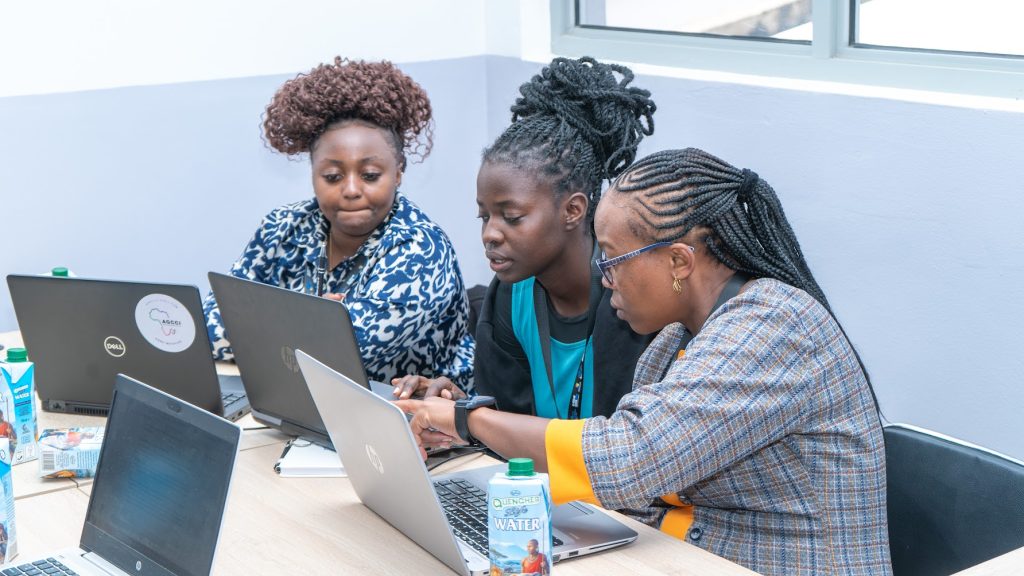
Q-SOLVE Kenya 2026 offered participants an opportunity to discover what quantum computing could bring. Through hands-on experimentation, participants moved beyond learning about quantum computing to exploring its potential applications to real-world challenges.
This model reflects one of the ideas behind Q-SOLVE: creating an accessible pathway into quantum computing through training, close mentoring and collaborative problem-solving. The original programme was designed to combine preparatory learning with practical workshops, technical mentorship and peer learning, enabling participants with different levels of quantum experience to work together.
Each team worked towards developing a practical concept, prototype or research-informed solution demonstrating how quantum technologies could contribute to addressing meaningful challenges in Africa.
The result was not simply an introduction to quantum computing, but an opportunity to ask a more practical question: where could quantum computing potentially make a difference?
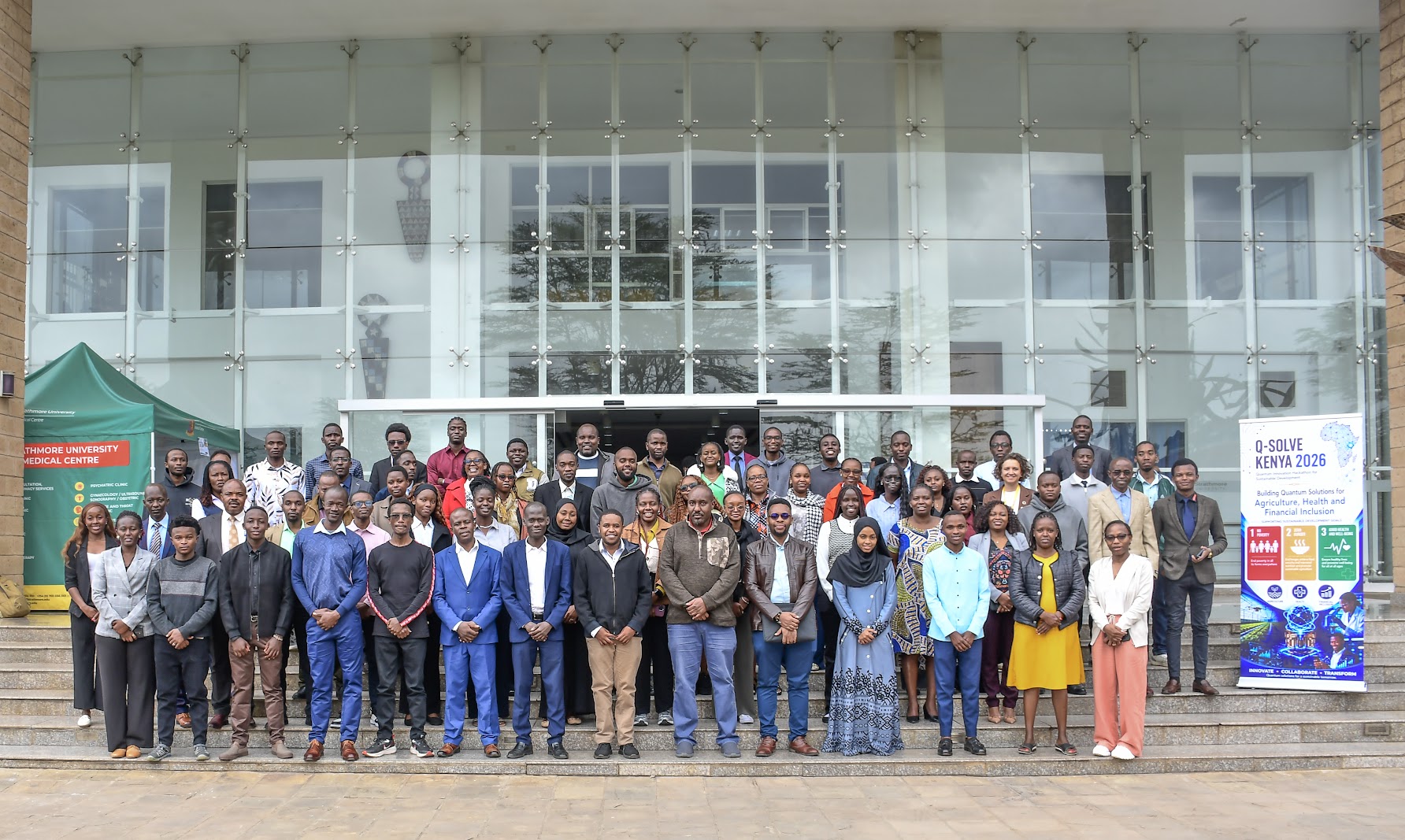
Participants and organisers of Q-SOLVE Kenya 2026 (photo: Q-SOLVE)
From drug discovery to agriculture and financial inclusion
Rather than learning quantum computing only through theory, participants were challenged to apply their knowledge to problems connected to sustainable development.
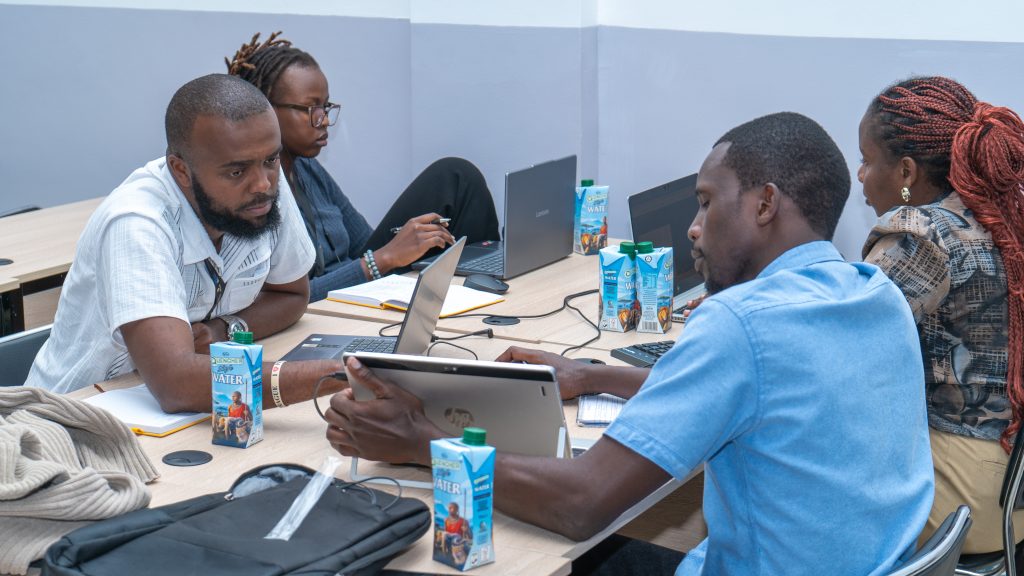
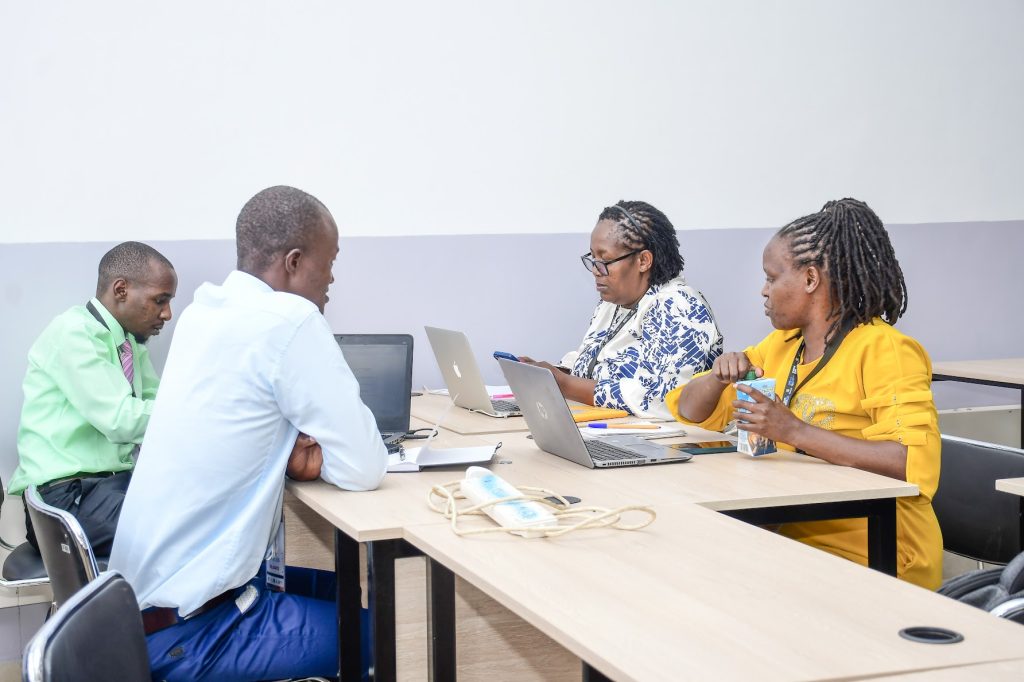
Working in teams, they explored three areas: agriculture, health and financial inclusion, combining domain knowledge with quantum and classical computational approaches. The three challenge tracks were aligned respectively with SDG 2 – Zero Hunger, SDG 3 -Good Health and Well-Being, and SDG 8 – Decent Work and Economic Growth.
The winning team demonstrated this approach in the area of health and drug discovery. exploring how quantum computing could potentially help identify promising compounds for cancer research. The winning team focused on health and drug discovery. They screened a collection of South African natural products to identify molecules that could block CDK2, a protein involved in cell division. Blocking this protein could potentially slow the growth of certain cancer cells, so identifying promising molecules could provide a starting point for further research into new treatments. The team explored how quantum computational approaches could complement classical methods in the simulation of molecular docking, an important technique in early-stage drug discovery.
Other teams investigated challenges related to agriculture and financial inclusion, bringing quantum approaches into areas with direct relevance to communities and economies in the region.
Building an inclusive quantum future in Kenya and across East Africa
An important ambition behind Q-SOLVE is to strengthen connections between emerging quantum talent, academia and the wider innovation ecosystem, while creating opportunities for participants to continue developing their knowledge and ideas.
The initiative was conceived with longer-term pathways in mind, including continued mentorship, support for promising projects and opportunities to develop the strongest ideas further.
For OQI, this longer-term perspective is particularly important. Building an inclusive quantum future requires more than access to technology: it requires developing skills, communities and opportunities for people to participate in shaping where and how quantum computing could be useful.
This three-day hackathon marks the beginning of a longer journey, creating pathways for new knowledge to become experience, promising ideas to develop further, and emerging talent to continue engaging with quantum computing. Q-SOLVE is laying the foundations for lasting impact in Kenya and across East Africa, helping to narrow the quantum divide and advance OQI’s ambition of making quantum computing a resource for the benefit of all.