
New OQI Impact Tool supports the responsible design of quantum computing applications
18th November 2026
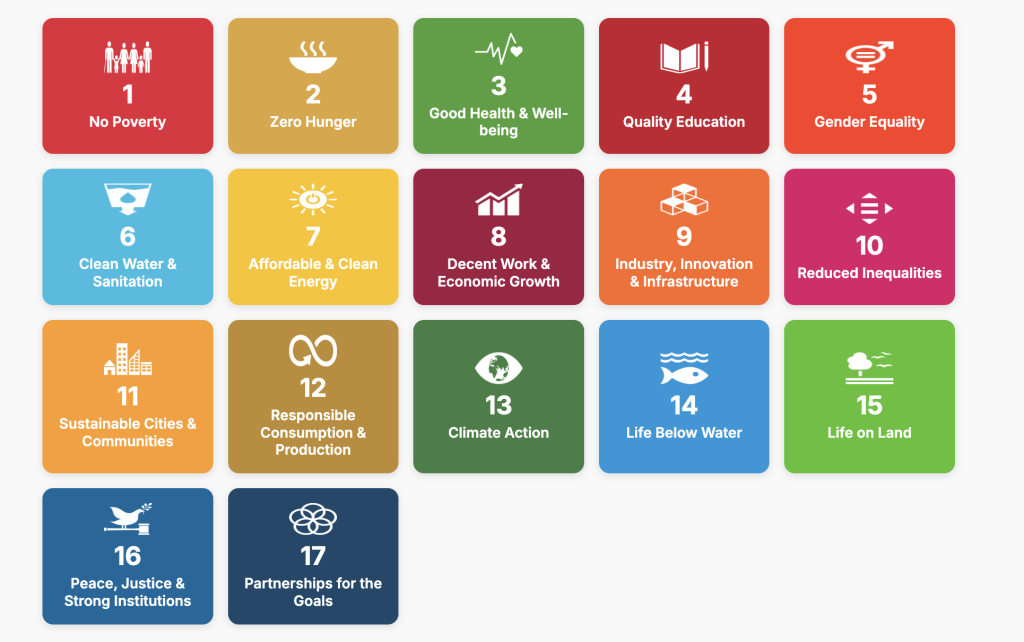
The Open Quantum Institute (OQI), in collaboration with GESDA and the UN Beyond Lab, has launched the OQI Impact Tool, an open, online tool for quantum computing applications developers. It supports responsible innovation by bringing consideration of societal benefits and risks into their design from the very start, advancing the UN Sustainable Development Goals (SDGs) and beyond.
Quantum computing is still in its early stages of evolution. Its future impact will depend on how it is used, so work must begin now to ensure its applications serve humanity.
The first step in developing applications is typically to identify use cases which are concrete problems that quantum computing could help address. These use cases are primarily assessed for their scientific and technical merit. Far less attention goes to the effects a solution could have on people, society and the environment once it is put into practice, including how it could support or hinder progress towards the SDGs and beyond. Assessing and proactively designing that impact before an application is ready for use is challenging, yet it is core to responsible innovation.
The OQI Impact Tool brings this assessment into the development process. It guides users through how a proposed application could lead to societal benefits and the conditions needed for those benefits to emerge. Users make their assumptions explicit, identify who would be affected, examine potential obstacles and risks, and define indicators to assess progress. This shows where their design may need to be adapted along the way.
“Responsible quantum computing means developing and applying this technology in ways that create meaningful societal value. By considering impact early on, users can integrate responsibility into the design process itself, helping the technology to be deployed in a more inclusive, participatory and sustainable way.” says Özge Aydoğan, Director and Curator in Chief, Beyond Lab
Originally designed for and used by OQI use case teams, the tool is open to everyone, including quantum computing experts, impact experts and funders. It is also open source, with its code available on GitHub.
“The Impact Tool helped us see how the different stages and deliverables of our project connect, and how they relate to the people who could be affected by our solution. It brought everything into a bigger picture that can be hard to see when you are focused on the research itself.” shares Ronin Wu, Project Director at QunaSys and member of the team behind OQI’s Molecular Docking to Clean Up Pollution use case.
At the heart of this approach is the Theory of Change, an established method used across UN agencies and adapted here to quantum computing applications. It helps teams identify what needs to be done beyond developing the quantum computing solution, which conditions need to be in place and whose involvement and support are needed to achieve its intended long-term societal impact. The assessment also considers how progress towards one Sustainable Development Goal could support or undermine another.
This is not a one-off exercise. As a solution develops, teams revisit their assumptions and anticipated effects, drawing on multidisciplinary expertise. Impact remains under consideration alongside the science, rather than being left until the end.
Whether you are designing, assessing or funding a quantum computing solution, the OQI Impact Tool is here to support you throughout the process. You can try it at: https://oqi-impact-tool.app.cern.ch/, or start with the user guide:https://oqi-impact-tool.app.cern.ch/user-guide
William with participants at the hackathon in Costa Rica.